
Are you doing keto but still not getting relief from your lipedema or lymphedema symptoms? Wondering about lipedema foods to avoid? In this post, I discuss food sensitivities and how managing them helps me control inflammation, reduce swelling, and even drop dress sizes. I explain the difference between food allergies, food sensitivities, and food intolerances and why they have an outsized impact on those of us with lymphatic and fat disorders.
Watch the video below or read on to learn more about at-home food sensitivity testing, how managing food sensitivities helps my lipedema and lymphedema, and how my food sensitivity results changed from 2021 to 2024.
Each of our bodies reacts differently to certain foods! Understanding food sensitivities is the first step to managing your immune response, reducing inflammation, and relieving your lymphedema and lipedema symptoms. Remember, I am not a doctor and this is based on my personal experience. You should always work with your care team to determine what is best for your body.
Food sensitivities, allergies, and intolerances. What’s the difference?!
There are a lot of confusing terms floating around! Let’s untangle them before going too far. Food allergies create an immediate reaction that can be life threatening. A food intolerance usually refers to enzymes and something you may be lacking or struggling with. Think lactose intolerance. Food sensitivity is an immune reaction that can create symptoms as much as 48 to 72 hours later.
What are the symptoms of food sensitivities?
For a long time, I thought food sensitivities were all about stomach problems. If I wasn’t having nausea, diarrhea, or constipation, then that food wasn’t a problem for me, right? Misconception! Food sensitivities can cause a wide range of non-stomach-related symptoms such as brain fog, fatigue, joint pain, sneezing, wheezing, rashes, and congestion in your sinuses or throat. For me, swelling was another major symptom I never realized was caused by food.
Food sensitivities and the immune systems
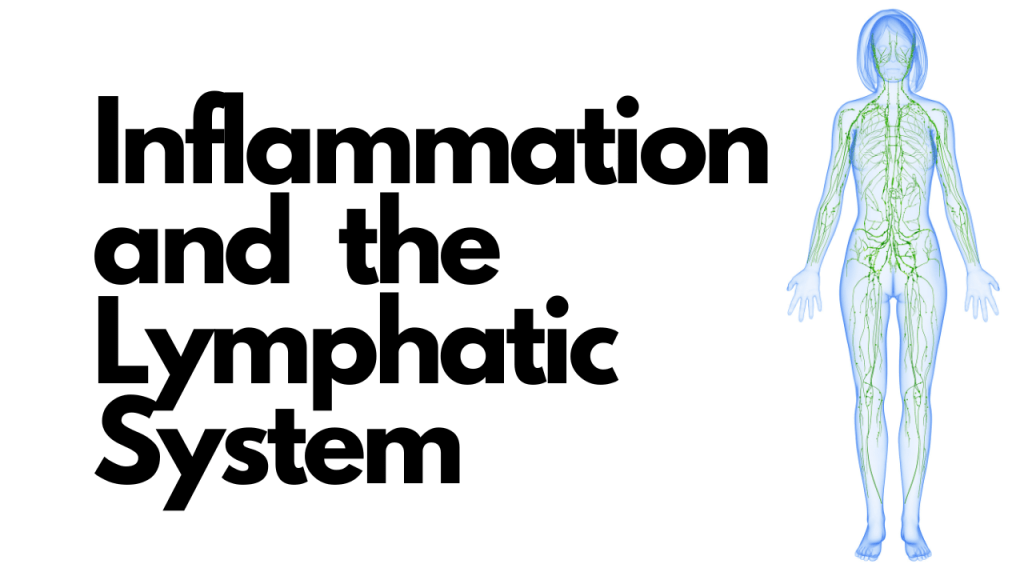
Lipedema is a fat and connective tissue disorder, but along with lymphedema, it is also a lymphatic disorder. Guess what? Your lymphatic system is part of your immune system. So when you eat foods that you are sensitive to you trigger your immune system, create inflammation, and trigger swelling. And where there is swelling, there is fluid, and fat loves a fluid-rich environment. That was one of my major takeaways from Dr. Herbst at the 2023 Fat Disorders Resource Society conference. Fat loves a fluid-rich environment.
Checking for food sensitivities
Since the COVID pandemic, at-home testing is more common. You can now purchase a range of tests where you collect the sample yourself at home and mail it off for processing. I’ve done this twice and found the food sensitivity results really helpful. In 2021 I did a test to check my sensitivity to 96 different foods and for this post three years later I checked my sensitivity to 204 different foods. I took my sample on a Sunday and my results arrived by email Thursday morning. Most at-home testing can be paid for with FSA and HSA funds in the United States and now Amazon even allows you to shop directly with an FSA or HSA card.
At-home tests are generally not covered by insurance, but they are a great way to take control of your health and get the information you need. If you have an unsupportive doctor who thinks you “eat too much” and “just need a diet” or who body shames you, an at-home test has a lower emotional cost. And that’s worth it to some people.
Blood testing is a shortcut to uncovering food sensitivities, but it isn’t the only way. Historically, elimination diets and food journals were the gold standard for detecting problems with nutrition. The thing is they require a lot of trial, error, and experimentation. If you eliminate multiple things at the same time it’s hard to pinpoint exactly which was the problem and often you need to eliminate for a minimum of 3-4 weeks to let your body fully recover.
If you do a blood test, either at home or with a doctor, you’ll still want to do an elimination diet to see what happens with your symptoms. With test results in hand, you’ll be able to focus on a shorter list of potential triggers.

My Food Sensitivity Results – Highly Reactive Foods
Both times I took an Everlywell food sensitivity test I was highly reactive to cow’s milk. Dairy was a cornerstone of my keto lifestyle for the first few years so this felt like a gut punch the first time I tested. What was possibly left for me to eat?! I embarked on a one-month elimination diet (which you can read about in my non-dairy January posts) and was shocked by the results. I lost no weight on the scale, but I lost an entire dress size of swelling and inflammation. That’s right, I had to buy new pants even though I hadn’t lost any scale weight! I was clearly sensitive to dairy even though I hadn’t had “classic” stomach symptoms.

I swapped cheese crisps for pork rinds and heavy cream for Nutpods almond milk. What started as a one-month challenge has now become part of my keto lifestyle.
Testing for the additional foods recently uncovered an interesting possibility – goat’s milk. Most cheese and dairy products were flagged as possible sensitivities, but not that. While goat milk itself is pretty high in carbohydrates, I’ve been experimenting with goat cheese and goat butter. So far I haven’t noticed any uptick in my swelling, so that has been a pleasant surprise and a nice option for getting more fat in my diet.
My Food Sensitivity Results – Moderately Reactive Foods
Both tests showed I had a moderate reactivity to egg whites. This was no surprise because I did have severe stomach symptoms when I ate them. So I do keto without dairy and without eggs. Yes, it’s possible!
The more detailed test showed I might also be sensitive to poppy seeds, but since I rarely eat those it wasn’t a big loss. Yogurt is also off my list because of the dairy, but check out my homemade coconut yogurt for a non-dairy alternative!

My Food Sensitivity Results – Mildly Reactive Foods
Finally, the at-home test also shows you foods you are mildly ractive to. In 2021 I tested positive for 14 foods and in 2024 I tested positive for 17 foods. This sounds comparable, except the lists were almost completely different! Only three foods showed up as mildly reactive both times I took the test and those were egg yolks, mozzarella cheese, and white mushrooms. Everything else changed! I’m not sure how much stock I put in this final category, but it’s still interesting to know. Food sensitivities can change over time and I suspect that happens more – and more easily – in this category than the other more reactive ones.
Summary and Conclusion
Too long, didn’t read? Food sensitivities trigger a delayed immune response and are not the same as food allergies or intolerances. They can exacerbate symptoms of lipedema and lymphedema because both conditions are lymphatic disorders and the lymphatic system is part of the immune system. Eating food you are sensitive too creates an immune response in your body that can trigger inflammation and swelling. Swelling causes fluid to build up and fat loves a fluid-rich environment. At-home food sensitivity testing is one way to start untangling your body’s unique needs and getting the relief you deserve.
Have ideas or questions? Drop them below in the comments, or head over to the YouTube post to catch up with the lively discussion there!
Purchasing through an Amazon link in this post helps cover my costs for running the website and YouTube channel. You will pay the same low price but I may receive a small commission. This never influences what I recommend.


Leave a comment